The Irish government has launched a new rural policy that includes a pilot project intended to address isolation among farmers and rural communities, alongside commitments on agriculture, renewable energy, broadband and local transport.
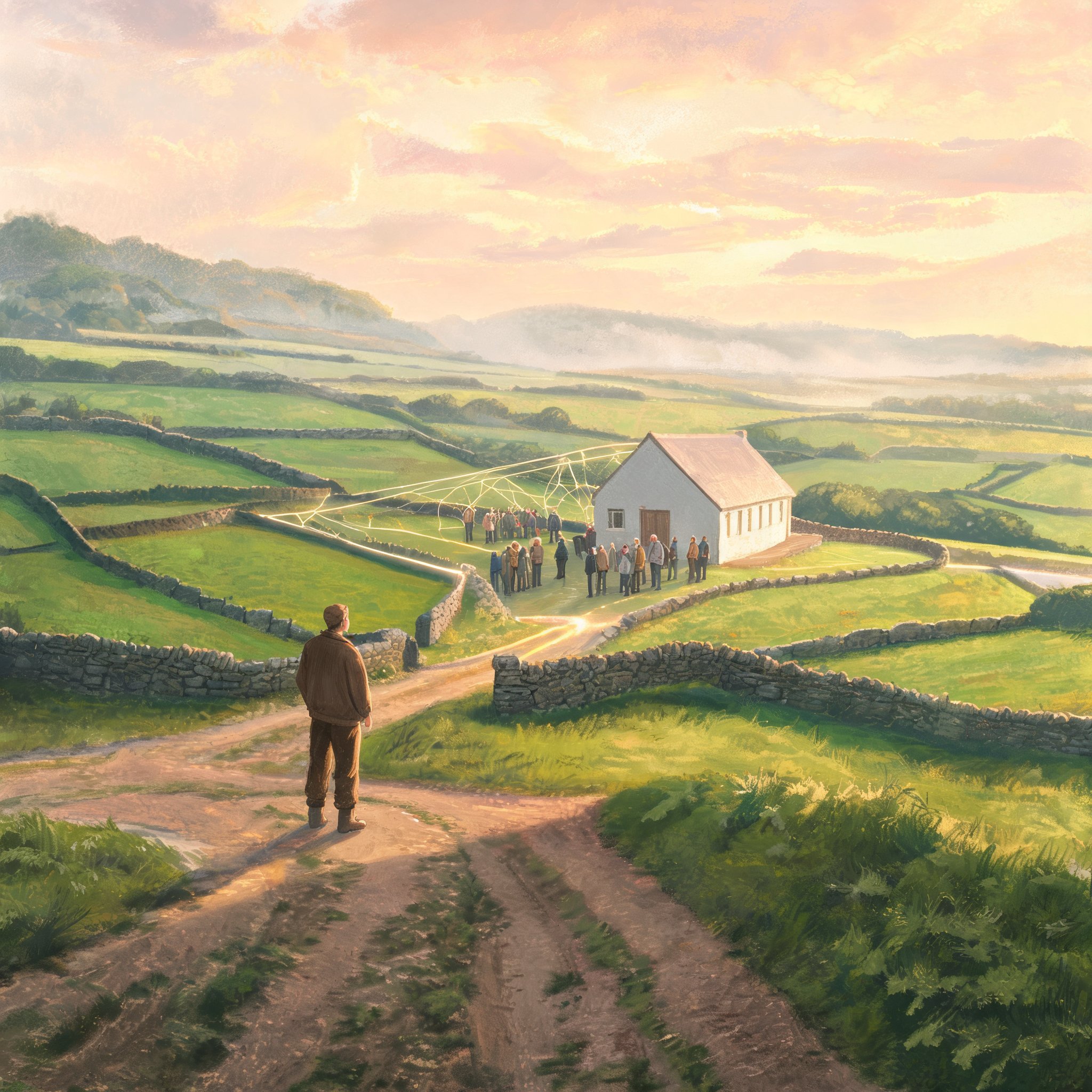
The pilot is due to be launched this year and is co-funded by the Department of Rural and Community Development and the Gaeltacht and the Department of Agriculture, Food and the Marine (DAFM). It will explore locally based innovative approaches to rural isolation, with a particular focus on farmers, social connections and wellbeing.
The measure is one of 240 commitments in Our Rural Future 2026-2031. The policy sets out 34 high-level commitments under five strategic pillars, which the government says will support the continued development of rural Ireland. It brings together commitments from government departments to ensure rural communities have the infrastructure, services and supports they need to prosper.
An action plan accompanying the policy sets out measures to be delivered by departments and agencies in the first half of the policy period. Further actions are expected to be developed through 2031.
Agriculture measures
For DAFM, the policy includes a commitment to develop and implement an effective Common Agricultural Policy (CAP) after 2027. This includes advocating for a strong, well-funded CAP that continues to prioritise a strong LEADER programme.
The department is also tasked with introducing a National Framework for Carbon Farming by the end of this year. The framework is intended to guide the development of a Carbon Farming Scheme to strengthen farm incomes. In addition, the policy says DAFM should promote the production and uptake of renewable energy on farms, including biomethane and solar energy.
It outlines that 25 key actions already identified should be implemented to underpin the development of an indigenous biomethane industry of scale. The policy also calls for progress on recommendations in the Commission on Generational Renewal in Farming report and for implementation of actions in the Women in Agriculture Action Plan. Another commitment is to deliver more farm safety and health and wellbeing initiatives for farmers.
Rural investment and services
The policy commits to developing and launching a new Strategic Rural Investment Fund to help develop sites and infrastructure that support enterprise and employment creation. Other actions include completing the National Broadband Plan by the end of next year and expanding Local Link bus services.
The government said the policy was informed by extensive consultation and engagement with rural communities and stakeholders. Regional events are planned over the coming months to provide information on funding opportunities and supports.
At the launch, Taoiseach Micheál Martin said rural Ireland is central to national identity and the country’s future. He said the policy reflected a commitment to balanced regional development and recognised that realising the ambition for rural Ireland required a coordinated, whole-of-government approach, with rural communities at the heart of decision-making.
Minister for Rural and Community Development and the Gaeltacht Dara Calleary said the plan builds on the achievements of the initial policy launched in 2021. He said it strengthens existing supports while introducing measures to help communities respond to changing needs, strengthen local economies and services and make the most of advances in digital connectivity.