Adding a new menu item takes more than a recipe. Multi-unit operators must also get the equipment that supports it into every location before launch day. Bryan Musgrove, divisional senior director on national accounts at TriMark USA, has worked on many equipment rollouts tied to new menu items, and he outlined three practices aimed at making those deployments go more smoothly.
Build a playbook before ordering
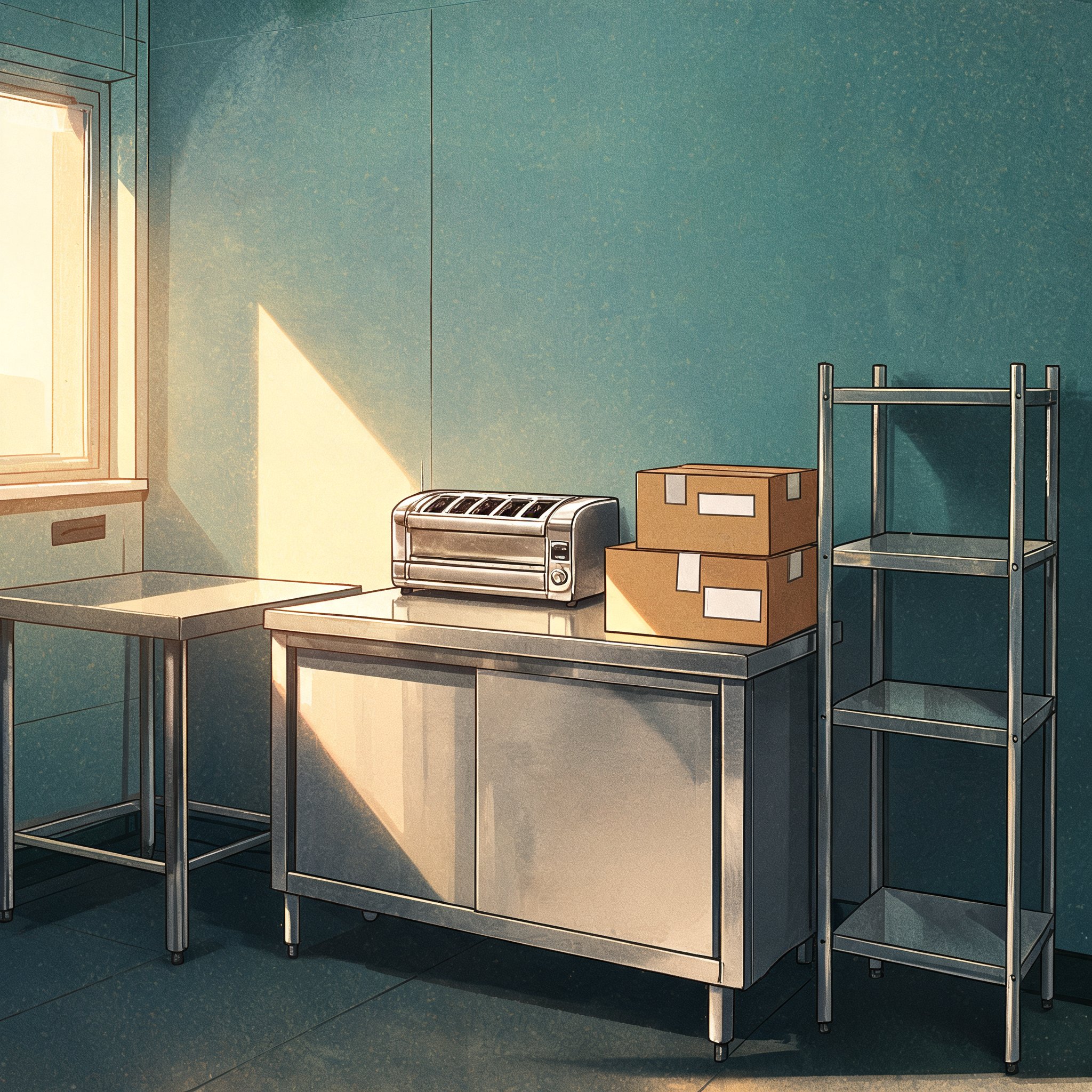
Musgrove recommends creating a playbook for the rollout that accounts for differences across locations. One brand TriMark worked with needed new toasters to add toasted sandwiches to an existing breakfast lineup of biscuits and wraps — a change that exposed site-level constraints. Some restaurants already have electrical capacity that is maxed out, Musgrove says. Others, such as small mall or urban units, may not have the counter space a toaster requires, which means operators must create room by adding shelving or an additional table, a change that affects workflow.
The playbook, he suggests, breaks down which locations are plug-and-play and which need additional support, giving operators a clearer view of where extra effort will be required before the item can be served.
Schedule from the manufacturer's lead time
Timelines should be built from what a supplier can actually produce rather than from the desired launch date alone. A manufacturer that can turn out 200 units at a rate of 10 per week will need 20 weeks to complete the order, Musgrove notes. Suppliers may also hold inventory sufficient for an initial batch — the first 50 units, for example — before ordering parts from overseas, adding roughly eight weeks before the remainder can be built.
For an item launching alongside a marketing campaign timed to a specific season or occasion, Musgrove advises working backward from the target launch date to establish a timeline that is achievable. Because the equipment lead time and the site constraints vary independently, the three practices are presented as linked considerations rather than a fixed sequence.
Consolidate and repackage deliveries
Smaller wares are often shipped directly to locations in their original boxes. Musgrove suggests asking the dealer to consolidate and repackage those items so that each location receives a single package.
In one case, a brand adding macaroni and cheese to its lineup of sides needed visual holding cabinets, pans and serving scoops in varying sizes. TriMark combined those items into one package per location, including instructional materials and exterior labeling so managers knew exactly what they were receiving when it arrived.
Together, deciding which locations need more support, sequencing orders against production capacity and simplifying what arrives at the door are offered as ways to reduce friction during a rollout. Handled as planned, Musgrove says, the launch can generate buzz around the new menu item and increase traffic.