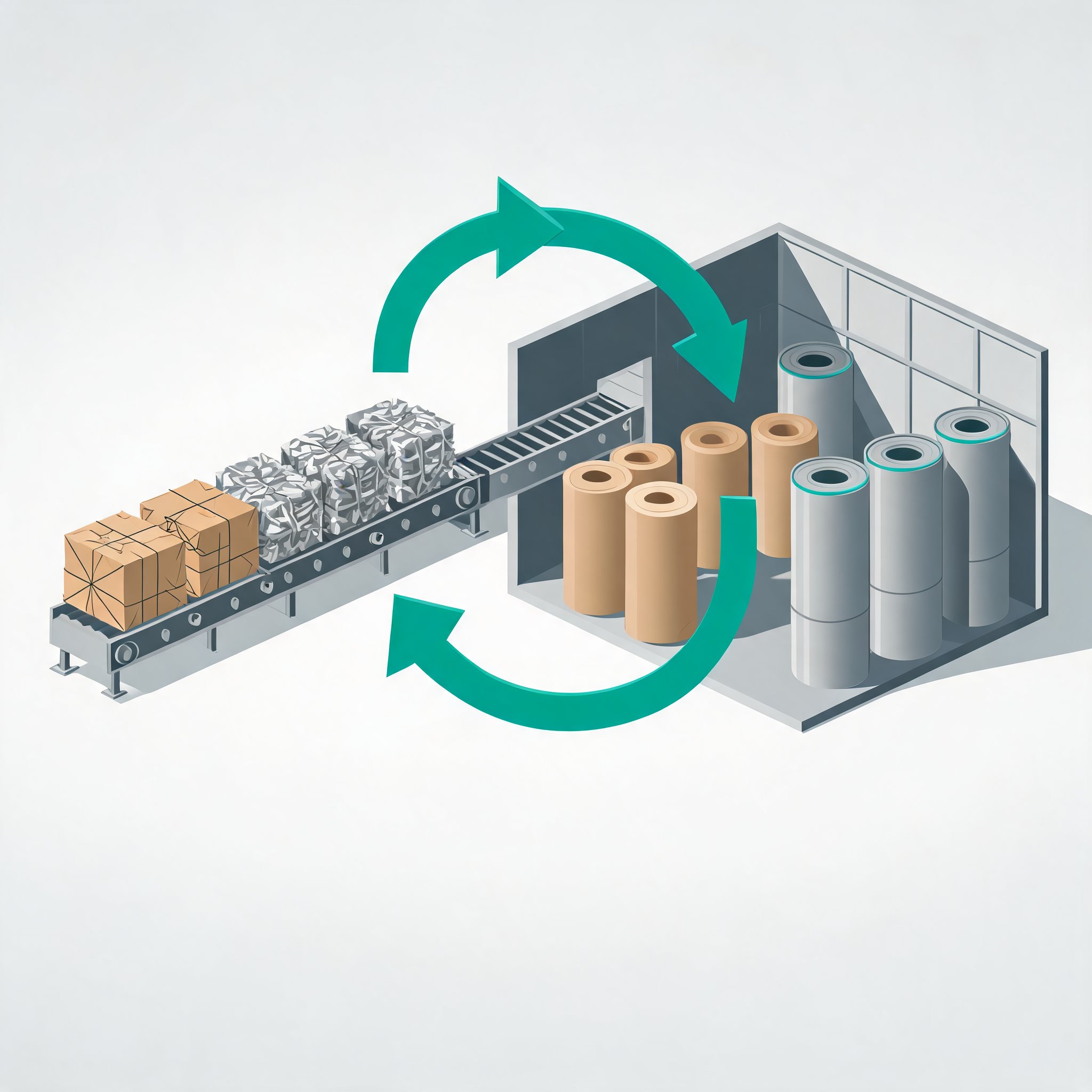
The Packaging Scheme Forum (PSF) has launched a campaign, "Keep Packaging Recycling Working", aimed at modernising the UK's packaging recycling system rather than replacing it. The body warned that scrapping Packaging Recycling Notes (PRNs) before a feasible alternative is in place risks "creating chaos" across the packaging recycling sector.
The campaign launch coincides with media reports that supermarkets and manufacturers are pressing the government ahead of the Budget to abolish the PRN system, which critics characterise as a packaging or plastic tax. The PSF represents 13 of the 15 existing compliance scheme operators.
Three decades of statutory targets
According to the PSF, the current PRN system has helped the UK consistently meet its statutory packaging recycling targets for three decades, providing a responsive mechanism that supports recycling businesses, encourages investment and allows producers to meet their environmental obligations. The forum argues that wholesale reform on the scale proposed by the food and drink sector would be a "reckless gamble with Britain's recycling industry".
The body cites £95m of PRN revenue committed last year to new recycling infrastructure and capacity across the UK, and says PRN revenues supported the £1bn redevelopment of Shotton Mill on Deeside, which produces recycled cardboard packaging and tissue paper. Since 1997, it says, the system has driven UK packaging recycling rates from estimates of 27-30% to 70% in 2025, and it currently supports the recycling of around 7.7m tonnes of UK packaging waste each year.
Recycling evidence, not a tax
George Atkinson, director of policy at Valpak and chair of the PSF, said those calling PRNs a plastic tax overlook what the mechanism does and the materials for which it secures environmentally positive outcomes. PRNs are recycling evidence rather than a tax paid into the Exchequer, he said, with money flowing into the recycling system through accredited reprocessors and exporters and helping to make the economics of recycling work.
Removing PRNs without a viable alternative would risk destabilising financial flows into the waste management industry, undermining business and investor confidence and putting critical national infrastructure at risk, he added.
The PSF acknowledges that improvements are needed but says they do not require dismantling the existing system, which it argues would be extremely expensive for the government to execute. Atkinson said there is a legitimate debate about making the system work better, and that the forum supports measures to improve transparency over how producers' contributions are reinvested, ensure fair competition between UK reprocessors and exporters and strengthen market confidence.
He drew a distinction between improving a system and abolishing it before anyone has demonstrated how its essential functions would be replaced, how different materials would be supported when markets are weak and how value for money for obligated producers would be assured. Scrapping PRNs would not remove costs from the system, he argued: the challenge of recycling enough packaging waste to meet national targets would remain, and a fixed-cost system would likely cost producers more than one in which the financial stimulus can respond to market need.
"The answer to a system that needs fixing is to fix it, not dismantle it and hope for the best," Atkinson said, adding that the PSF's message to government is to improve what needs improving rather than spend large sums building and transitioning to an entirely new system for which little evidence of marked improvement exists.